Chile has long been known for its red wines, but the country’s white wines have developed into some of the most exciting styles emerging in South America. They combine cool freshness, bright fruit and a straightforward character that is easy to appreciate, even for those who don’t drink wine every day. These are white wines that strike a balance between directness and elegance, offering a clear sense of what Chile can achieve when climate and grape varieties work together.
Coastal influence sets the direction
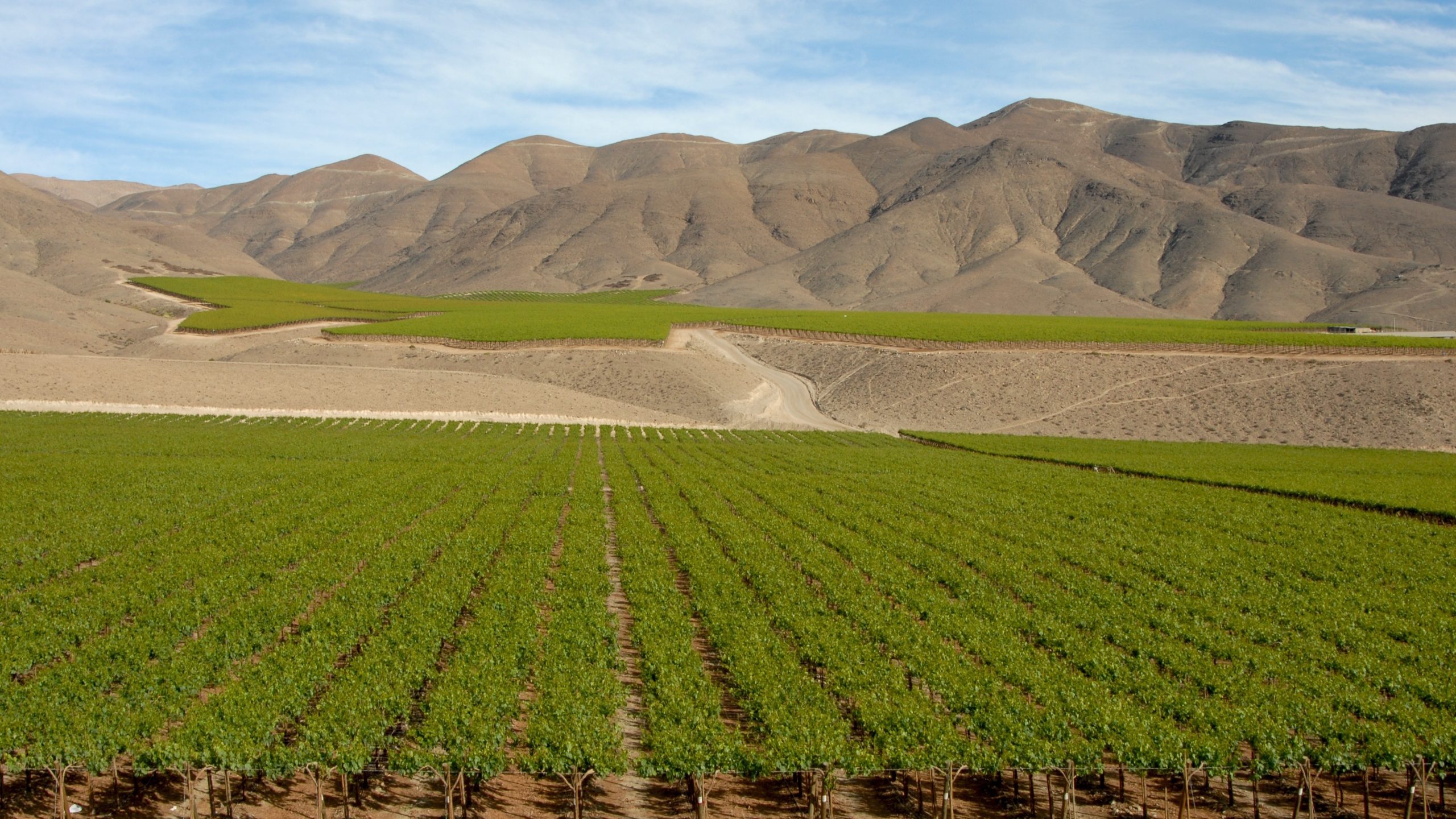
Many of Chile’s best white wines come from areas close to the ocean. Lower temperatures and winds from the Pacific slow down ripening, giving the wines a fresh edge, clean fruit and a style that feels both energetic and balanced. Regions such as Casablanca Valley and San Antonio Valley are especially known for white wines with a cool profile and a clear acidity that makes them ideal for food.
Leading lights in the cool‑climate zones
Casa Marin is a name that often appears when discussing Chilean white wines with cool energy. It is a producer that has shown how far Chile can go within cool‑climate winemaking. Casa Marin is based in Lo Abarca, an area once considered unsuitable for viticulture but now regarded as one of Chile’s most characterful locations. The vineyards lie only a few kilometres from the cold Pacific currents, and the combination of wind, low temperatures and nutrient‑poor soils gives the grapes an intensity that is hard to find elsewhere in the country.
Casa Marin has gained international attention with its single‑vineyard wine Cipreses, which has been named the world’s best Sauvignon Blanc several times. The winery’s Cartagena series builds on the same philosophy in a more accessible style, showing how cool‑climate wines don’t need to be complex to be compelling.
The two key grape varieties
Sauvignon Blanc is one of the defining grapes of Chilean white wine. Chardonnay also plays a major role in the country’s vineyards. While Sauvignon Blanc offers a crisp style with herbs and fresh fruit, Chardonnay can range from fresh and bright to rounder and more oak‑influenced expressions. One of the appealing aspects of tasting Chilean wine is the relatively stable vintages — especially in the slightly warmer areas. This makes it easier to find a favourite Chilean white wine and trust that it will maintain its style when the next vintage arrives on the shelves.
This stability creates a sense of confidence and contributes to the impression that Chilean white wine has a consistently high baseline. Chile has long been known for producing strong value‑for‑money wines, but in recent years, with increased focus on cool‑climate regions, the top level has risen significantly (and naturally, so has the price).
Both trends make Chile a white‑wine country with a solid foundation and plenty of exciting opportunities to continue the development that is already well underway and becoming increasingly modern.